
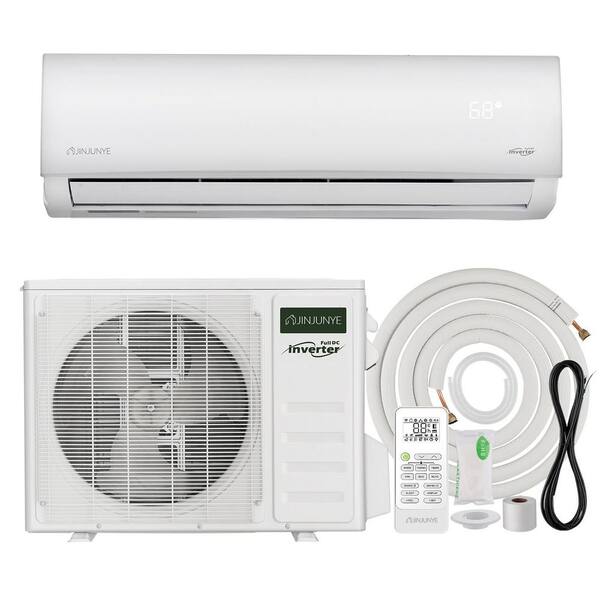
If you’re interested in learning more about inverter AC, including their prices in Nigeria and more, you’ve come to the right place. On this page, I will cover everything you need to know: how they work, their benefits, and the top brands available in Nigeria, along with estimated prices. So, sit back and keep reading if you want to find out more!
When Nigerians discuss saving electricity while still enjoying cool comfort, inverter air conditioners (ACs) often come to mind. With rising electricity costs, unstable power supply, and the increased reliance on generators and inverters, selecting the right air conditioner has become more crucial than ever.
Today, I will help you learn what an inverter AC is about, how it works, and how it compares to non-inverter ACs. followed by the leading inverter AC brands in Nigeria, along with estimated prices based on capacity. This post aims to assist homeowners, renters, and business owners in making informed, long-term decisions.
Inverter air conditioners
An inverter AC is a type of air conditioner that uses inverter technology to control the speed of the compressor motor instead of switching it fully on and off like a conventional AC.
In simple terms, an inverter AC adjusts its cooling power based on the room’s temperature. Once the desired temperature is reached, the compressor slows down rather than stopping completely. This results in lower energy consumption, quieter operation, and more stable cooling.
How inverter air conditioners work
Traditional (non-inverter) air conditioners operate in an on-and-off cycle. When the room becomes warm, the compressor turns on at full power. Once the temperature is reached, it shuts off. This repeated restarting consumes a lot of electricity.
An inverter AC works differently:
- The compressor starts gradually
- It runs continuously at variable speeds
- Cooling output adjusts based on room temperature
- Power usage drops once the room is cool
This smart operation is why inverter ACs are considered energy-efficient and inverter-friendly, especially in Nigeria, where many homes rely on backup power.
Energy Consumption:
Inverter ACs consume significantly less electricity over time because they avoid constant power surges. Non-inverter ACs use more power due to frequent restarting.
Cooling Performance:
Inverter ACs provide steady and consistent cooling, while non-inverter models tend to fluctuate in temperature.
Noise Level:
Inverter ACs are generally quieter because the compressor doesn’t keep switching on and off.
Cost:
Non-inverter ACs are cheaper to buy initially, but inverter ACs save more money in the long run through reduced electricity bills.
Suitability for Nigeria:
Inverter ACs are better suited for Nigerian homes using generators, solar systems, or inverters because they draw less startup power.
Key Benefits of Inverter AC in Nigeria
One major advantage of inverter ACs is power efficiency. With frequent power outages and the high cost of fuel, running an AC that consumes less electricity makes a big difference.
Another benefit is compatibility with inverters and solar systems. Inverter ACs can run longer on backup power compared to regular ACs.
They also last longer because the compressor experiences less stress, and they provide better comfort due to a stable room temperature.
Inverter AC vs Non-Inverter AC (Comparison Table)
Feature |
Inverter AC |
Non-Inverter AC |
|---|---|---|
Compressor Operation |
Runs continuously at variable speed |
Turns fully ON and OFF |
Energy Consumption |
Uses less electricity over time |
Consumes more power |
Electricity Bills |
Lower monthly bills |
Higher monthly bills |
Cooling Consistency |
Steady and uniform cooling |
Temperature fluctuates |
Startup Power |
Low startup power |
High startup power |
Noise Level |
Quieter operation |
Noisier due to frequent restarts |
Works with Inverter / Solar |
Yes, very suitable |
Not suitable |
Generator Fuel Usage |
Saves fuel |
Consumes more fuel |
Initial Cost |
Higher purchase price |
Cheaper upfront |
Maintenance Stress |
Less wear on the compressor |
More wear and tear |
Lifespan |
Longer lifespan |
Shorter lifespan |
Best For |
Homes, bedrooms, offices, and inverter users |
Short-term use, low budgets |
Suitability in Nigeria |
Very suitable |
Less suitable |
Inverter AC Capacity Explained (HP Guide)
Before buying an inverter AC, capacity matters. In Nigeria, AC capacity is usually measured in horsepower (HP).
- 1HP – Small rooms (bedrooms, small offices)
- 1.5HP – Medium rooms (master bedrooms, shops)
- 2HP – Large rooms (living rooms, halls)
- 2.5HP & above – Very large spaces, offices, lounges
Choosing the right capacity prevents overworking the AC and ensures efficient cooling.
Top Inverter Air Conditioner Brands in Nigeria (With Estimated Prices)
Below are some of the best inverter AC brands in Nigeria, widely available on platforms like Jumia, Konga, and major electronics stores. Prices are estimates and may vary based on location and market conditions.
LG Inverter AC (Dual Inverter)
LG is one of the most popular inverter AC brands in Nigeria, known for durability and excellent energy efficiency.
Estimated Prices:
- 1HP LG – ₦650,000 to ₦750,000
- 1.5HP LG – ₦780,000 to ₦900,000
- 2HP LG – ₦950,000 to ₦1,150,000
LG inverter ACs are ideal for homes running on inverters or generators.
Samsung Inverter AC
Samsung inverter ACs are known for modern design, fast cooling, and smart energy control.
Estimated Prices:
- 1HP Samsung – ₦600,000 to ₦720,000
- 1.5HP Samsung – ₦750,000 to ₦880,000
- 2HP Samsung – ₦900,000 to ₦1,100,000
Samsung models are popular in urban Nigerian homes and offices.
Panasonic Inverter AC
Panasonic inverter ACs are respected for quiet operation and long lifespan.
Estimated Prices:
- 1HP Panasonic – ₦620,000 to ₦750,000
- 1.5HP Panasonic – ₦780,000 to ₦920,000
- 2HP Panasonic – ₦950,000 to ₦1,200,000
They are a solid option for users who prioritize durability.
Hisense Inverter AC
Hisense offers more budget-friendly inverter ACs without sacrificing performance.
Estimated Prices:
- 1HP Hisense – ₦520,000 to ₦620,000
- 1.5HP Hisense – ₦650,000 to ₦780,000
- 2HP Hisense – ₦820,000 to ₦980,000
Hisense is a popular choice for Nigerian households looking for value.
Daikin Inverter AC
Daikin is a premium brand globally known for advanced inverter technology.
Estimated Prices:
- 1HP Daikin – ₦700,000 to ₦850,000
- 1.5HP Daikin – ₦900,000 to ₦1,050,000
- 2HP Daikin Inverter – ₦1,100,000 to ₦1,300,000
Daikin inverter ACs are often used in high-end homes and offices.
Midea Inverter AC
Midea is popular in commercial spaces and apartments. It offers reliable cooling with decent energy efficiency.
Estimated Prices:
- 1HP – ₦520,000 to ₦650,000
- 1.5HP – ₦680,000 to ₦820,000
- 2HP – ₦850,000 to ₦1,000,000
TCL Inverter AC (Growing Popularity)
TCL inverter ACs are becoming more common in Nigeria due to competitive pricing and modern features.
Estimated Prices:
- 1HP – ₦500,000 to ₦600,000
- 1.5HP – ₦620,000 to ₦750,000
- 2HP – ₦800,000 to ₦950,000
Brands Nigerians Still Buy (But Less Common for Inverter AC)
Some brands are popular generally but have limited inverter models in Nigeria:
- Thermocool (more non-inverter models)
- Nexus
- Bruhm
- Polystar
- Scanfrost
These brands are common in Nigerian markets but are better known for budget or non-inverter ACs.
Final Recommendation
For Nigeria:
- Best overall inverter AC: LG
- Best affordable inverter AC: Hisense / TCL
- Best premium option: Daikin
- Best for quiet bedrooms: Panasonic
Also Read:
- Best Inverter Batteries for Home Use in Nigeria
- Cost of Solar Energy and Inverter in Nigeria
- Oraimo PowerHouse I32 Hybrid Inverter & Generator Combo
- Types of Solar Panels and How They Work (Best Panel)
- How much is the Solar Generator Price in Nigeria
Is an Inverter AC Worth It in Nigeria?
Although inverter ACs are more expensive upfront, they are worth it in the Nigerian environment. The savings on fuel, generator usage, and electricity bills quickly make up for the higher purchase cost.
If you live in an area with frequent power outages or rely heavily on backup power, an inverter AC is a smarter and more economical choice in the long run.
Things to Consider Before Buying an Inverter AC
Always check the room size before choosing capacity. Ensure your power source can handle the AC, especially if you’re using an inverter or solar setup. Also, buy from trusted dealers and confirm warranty coverage in Nigeria. Installation quality matters as much as the AC itself, so use a qualified technician.
Final Thoughts
Choosing an inverter AC is no longer a luxury in Nigeria; it’s a practical decision for comfort, energy savings, and long-term value. With brands like LG, Samsung, Hisense, Panasonic, and Daikin offering reliable options across different budgets, there’s an inverter AC for every Nigerian home.
By understanding how inverter ACs work, comparing them with non-inverter models, and selecting the right capacity, you can enjoy cool air without worrying about high power bills.